
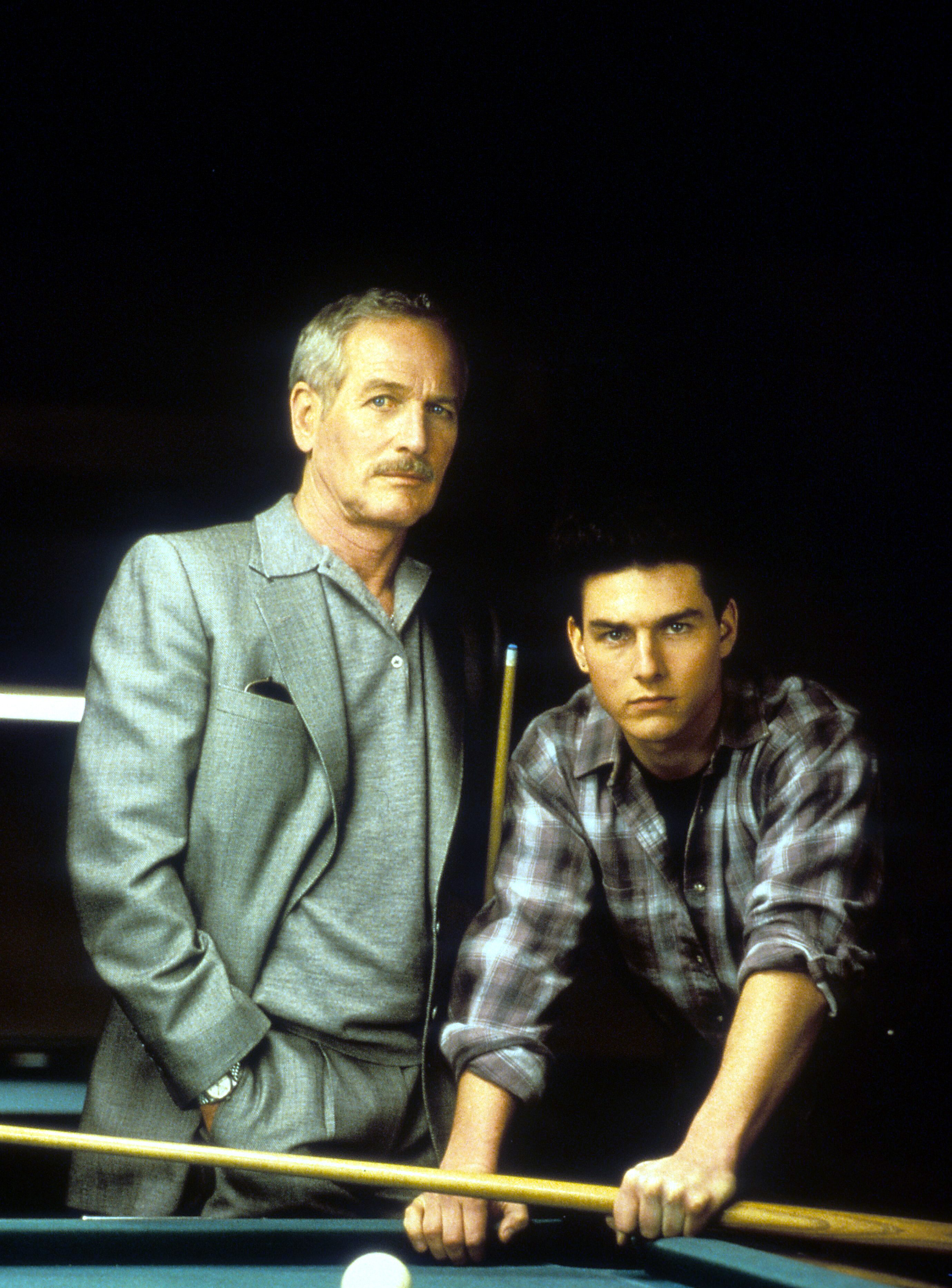
5 Surprising Facts About The Color Of Money Store Film
Step into the world of cinema and retail nostalgia, where the legendary film “The Color of Money” meets the iconic New York storefront that has been a cultural touchstone for decades. While most people know the movie for its high‑stakes pool hustling, few realize the fascinating backstory behind the physical location that inspired it. In this post, we unveil five surprising facts about The Color Of Money Store that will change the way you see both the film and the famed shop.
1. The storefront was a real pawnshop, not a Hollywood set
Most viewers assume the interior scenes were built on a soundstage, but the exterior shots of The Color Of Money Store were filmed at an actual pawnshop on 42nd Street. The original owner, a charismatic entrepreneur named Tony “Goldfinger” Marazzi, allowed the crew to film on his premises during off‑hours. This authentic backdrop gave the movie its gritty, urban edge and cemented the shop’s place in film history.
2. The neon sign holds a secret code
That flashing “The Color Of Money Store” marquee isn’t just eye‑catching—it contains a hidden message. The neon tubes spell out a cryptic alphanumeric code that, when decoded, reveals the address of a private club where the film’s star players met after shooting. Film buffs still debate the meaning, but the mystery adds an extra layer of intrigue to the shop’s legacy.
3. The shop’s interior inspired a famous movie prop
Inside the office, a battered wooden desk was used by the director for a pivotal scene where the lead character negotiates a high‑stakes bet. The same desk was later refurbished and became a coveted prop at a Hollywood auction, fetching a price far beyond its original purchase value. This transformation illustrates how The Color Of Money Store’s real‑world objects have become priceless pieces of cinematic memorabilia.
4. The shop survived a notorious downtown fire in the 1970s
Before the cameras rolled, The Color Of Money Store endured a massive fire that devastated much of the surrounding block. Miraculously, the shop’s fire‑resistant vault remained intact, safeguarding priceless jewelry and rare coins. The incident inspired the film’s climactic “fire‑escape” sequence, where characters scramble through flames to retrieve a hidden stash. The real‑life drama gave the director authentic material to work with, blurring the line between fact and fiction.
5. A hidden time capsule connects the film to modern pop culture
During a recent renovation, workers unearthed a sealed metal box tucked behind a false wall in The Color Of Money Store. Inside lay original scripts, vintage currency, and a handwritten note from the film’s producer inviting future generations to “keep the hustle alive.” The capsule also contained a limited‑edition vinyl record featuring a track that later sampled the movie’s soundtrack, linking the classic film to today’s music scene. This discovery underscores how the shop continues to influence art across different media.
From its authentic pawnshop roots to secret codes and time capsules, The Color Of Money Store proves that a single location can shape an entire cultural narrative. These five surprising facts illustrate how a modest storefront became a cinematic legend, leaving a lasting imprint on film, music, and urban folklore. Next time you walk past a neon sign, remember that behind every glowing letter lies a story waiting to be discovered.