
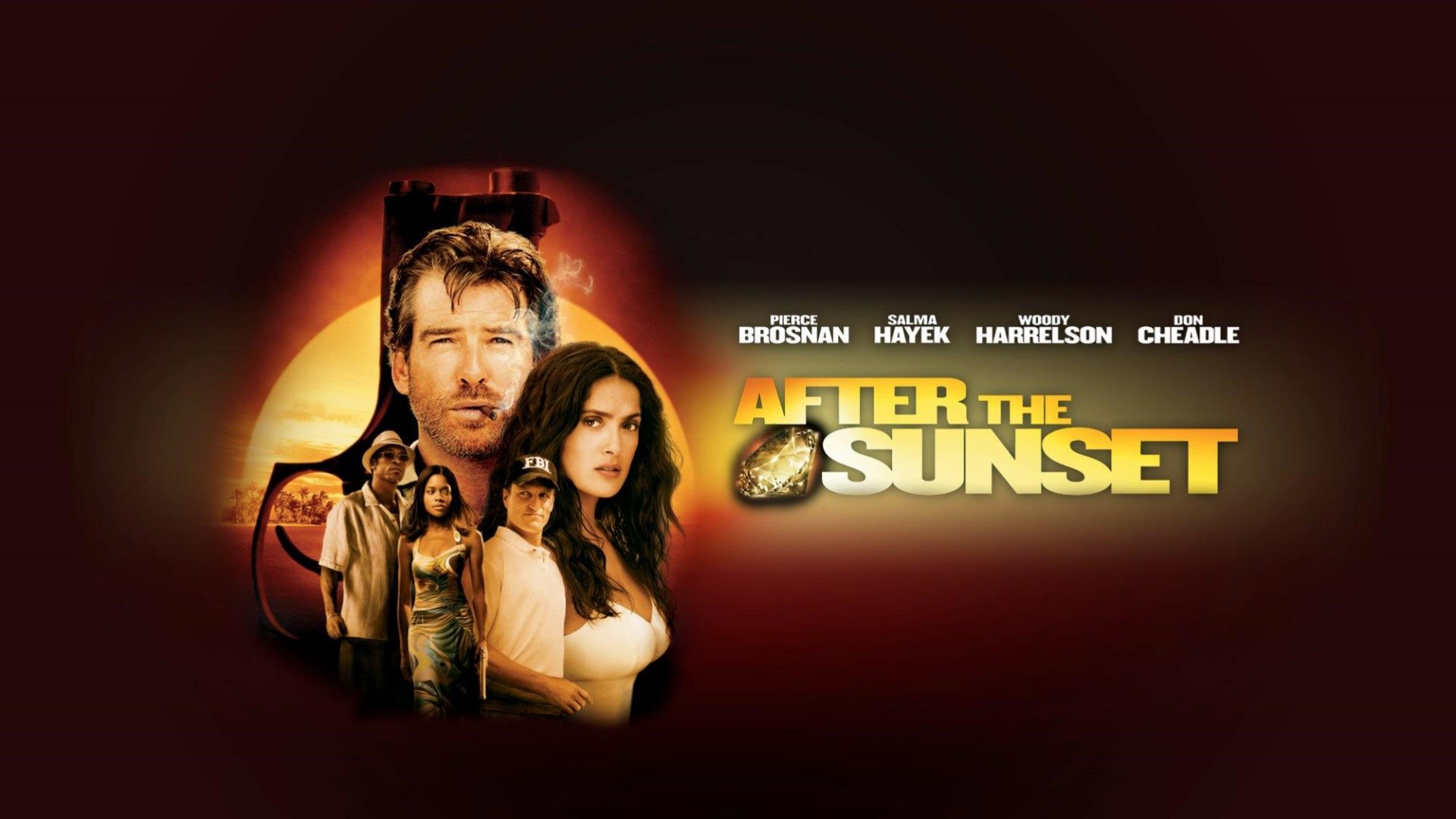
After The Sunset Store: 7 Film Secrets Every Viewer Misses
When the lights dim and the opening credits roll, most viewers settle in for an entertaining story, but a deeper layer of craftsmanship often slips by unnoticed. The film “After The Sunset Store” is a treasure trove of subtle details that can transform a casual movie night into a masterclass in visual storytelling. In this post we’ll uncover seven film secrets that even dedicated fans tend to overlook, giving you fresh eyes for your next rewatch.
Hidden Symbolism in Color Palettes
The cinematographer relies on a meticulous color code that mirrors the characters’ emotional arcs. Early scenes are drenched in cool blues, hinting at the protagonist’s isolation. As the narrative unfolds, warm amber tones seep in, signalling hope and connection. These shifts happen so gradually that they often escape conscious notice, yet they subtly guide the audience’s feelings without a single line of dialogue.
Even background props follow this rule. A red scarf hidden on a side table isn’t a fashion statement; it foreshadows a pivotal betrayal that will later erupt in a dramatic confrontation. Spotting these hues the second time around adds a layer of depth that rewards attentive viewers.
The Unseen Sound Design Tricks
Sound designers weave a complex auditory tapestry that works in tandem with the visuals. In “After The Sunset Store”, a faint ticking can be heard beneath the bustling market scenes, echoing the ticking clock of an impending deadline. This low‑frequency hum is purposefully kept just under the threshold of conscious hearing, creating a lingering tension that amplifies suspense.
Another clever technique involves the use of ambient street noises that fade in and out with the characters’ focus. When the protagonist faces a moral dilemma, the surrounding chatter dims, allowing a solitary violin note to dominate the soundscape, subtly underscoring his inner turmoil.
Subtle Camera Angles That Reveal Character
The director employs unconventional framing to hint at power dynamics. A recurring low‑angle shot places the antagonist slightly above the hero, even in seemingly neutral settings, subtly asserting dominance. Conversely, close‑up shots of the protagonist’s eyes frequently appear when he discovers a secret, inviting the audience to share his curiosity.
There’s also an interesting use of reflective surfaces. Mirrors are positioned to capture half‑faces, suggesting hidden motives. In one scene, a character’s reflection is slightly out of sync with his actions, indicating internal conflict that the script never directly states.
Easter Eggs Hidden by After The Sunset Store
Fans love Easter eggs, and this film hides several nods to classic cinema and the studio’s own history. A vintage poster in the background references a 1970s cult film that inspired the screenplay. On a bookshelf, an obscure novel appears, its title spelling out a key plot twist when arranged alphabetically.
Even the storefront signage contains a subtle anagram of the main character’s name, rewarding viewers who pause long enough to decode it. These hidden gems enrich the viewing experience, making each rewatch feel like a scavenger hunt for the most dedicated audience members.
Conclusion: Seeing the Unseen
“After The Sunset Store” proves that great filmmaking thrives on the details most viewers miss. From deliberate color choices and layered sound design to clever camera work and hidden Easter eggs, each element works together to create a richer, more immersive story. By training your eye to catch these secrets, you’ll not only appreciate this film on a deeper level but also develop a keener sense for the subtle artistry present in movies everywhere.