
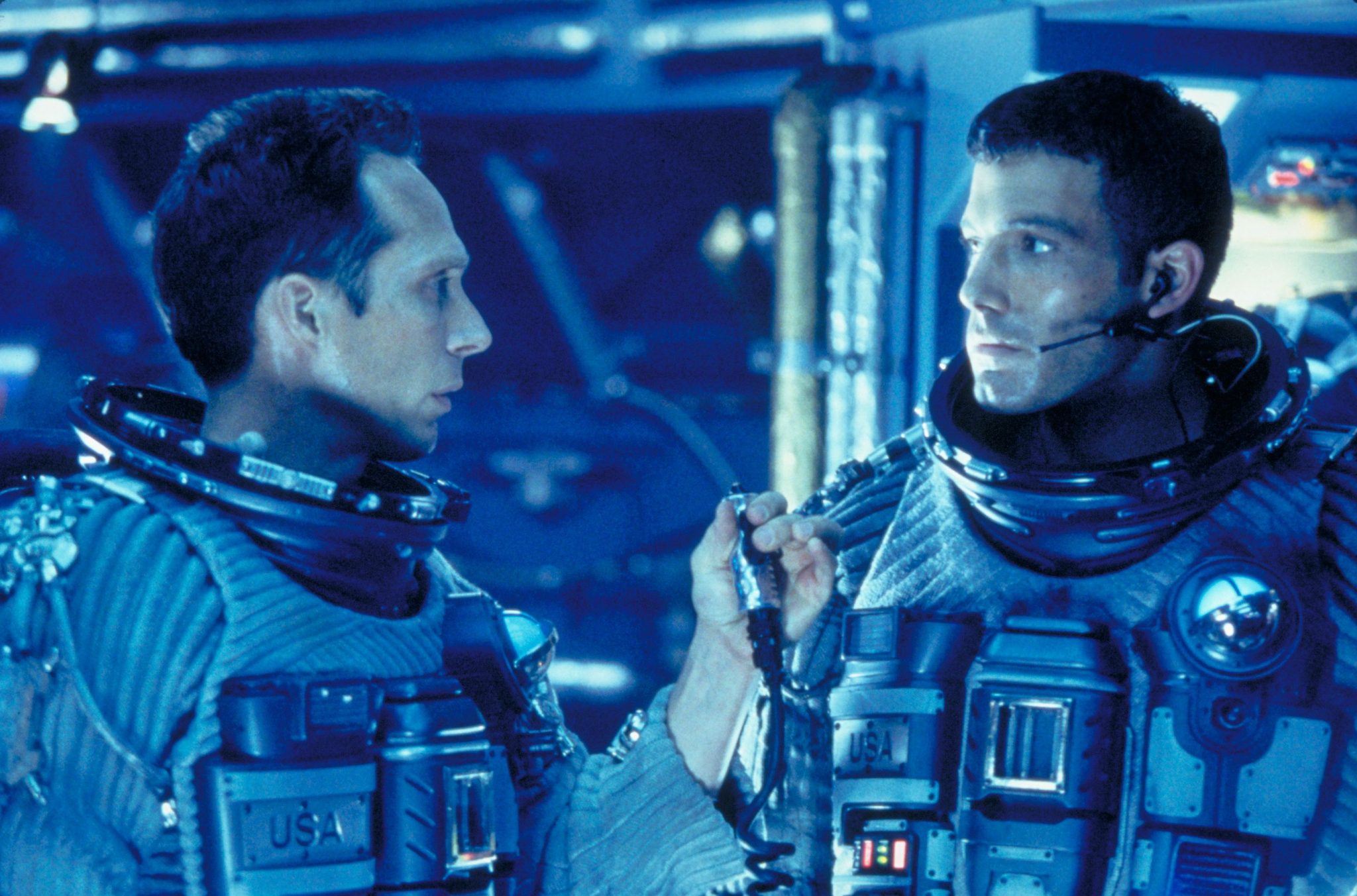
Armageddon Shop Movie Secrets: Behind the Explosive Set
Ever wondered how the jaw‑dropping explosions and intricate set pieces in the cult classic “Armageddon Shop” were brought to life? The film’s behind‑the‑scenes secrets are a thrilling mix of daring stunt work, clever design, and meticulous planning. From the moment the crew stepped onto the massive warehouse set, they faced challenges that demanded ingenuity and fearless creativity. This blog pulls back the curtain to reveal the hidden details that made the movie’s chaotic world feel authentic, and shows why the production still inspires filmmakers today.
Armageddon Shop: Designing a Chaotic Marketplace
The first hurdle was creating a believable, sprawling market that could plausibly crumble under an apocalyptic siege. Production designers studied historic bazaars, layering stalls, hanging lanterns, and towering crates to achieve a sense of organized chaos. Each prop was built with modular components, allowing crew members to rearrange sections quickly for different shots. Hidden rigging points were strategically placed, enabling the set to sustain massive explosions without compromising safety. This careful planning ensured that when the pyrotechnics ignited, the visual impact felt real without endangering the actors.
Lighting played a pivotal role in emphasizing the market’s gritty atmosphere. Designers used warm amber gels to mimic flickering torches, while harsh spotlights highlighted the dust and debris kicked up by each blast. By combining practical illumination with digital enhancements, the team amplified the sense of urgency that drives the story’s relentless pace.
Explosive Effects: The Science Behind the Spectacle
Pyrotechnics master Jim “Blast” Harrison spearheaded the film’s explosive choreography. He and his team calculated the precise amount of low‑impact explosives needed for each set piece, ensuring vibrant fireballs without excessive destruction. Controlled charges were hidden in specially reinforced walls, allowing them to burst outward while keeping structural integrity intact. For the most dramatic scenes, miniature replicas of market stalls were rigged with high‑speed cameras, capturing the split‑second details that later merged with full‑scale footage.
Safety protocols were rigorous. All crew members wore protective gear, and blast zones were clearly marked. The set was cleared of any flammable materials not intended for the explosion, and fire suppression systems were on standby. These measures not only protected the cast and crew but also allowed the filmmakers to push the envelope of visual spectacle.
Costume and Prop Secrets: Making Chaos Look Real
Costume designer Lena Ortiz faced the challenge of dressing characters who would inevitably be caught in the crossfire. She selected lightweight fabrics that could be easily damaged, allowing for realistic tears and soot stains during the action sequences. Props such as weapons, crates, and broken glass were crafted from breakaway materials, ensuring they shattered convincingly without causing injury.
One clever trick involved “smoke cartridges” hidden inside the clothing. When an explosion occurred nearby, a small puff of smoke would escape from the actor’s sleeve, adding to the immersive chaos. This subtle detail helped viewers feel the heat and dust of the blast, making the scene far more visceral.
Post‑Production Magic: Enhancing the Explosive Set
After filming wrapped, the visual effects team stepped in to amplify the on‑set explosions. They layered digital fire, debris, and shockwave simulations over the practical footage, creating a seamless blend of real and computer‑generated chaos. Color grading was applied to unify the look of each scene, emphasizing the harsh, desaturated palette that defines the film’s dystopic tone.
Sound design was equally crucial. Foley artists recorded the crackle of splintering wood, the thud of collapsing crates, and the distant roar of distant explosions. By syncing these audio elements precisely with the visual cues, the final cut delivered an immersive experience that still resonates with audiences today.
In the end, the success of Armageddon Shop lies in its meticulous marriage of practical set design, daring pyrotechnics, and sophisticated post‑production work. Each element was carefully orchestrated to transport viewers into a world where every alley could erupt in flames at any moment. By understanding the secrets behind the explosive set, fans gain a deeper appreciation for the craftsmanship that turns cinematic visions into unforgettable reality.