
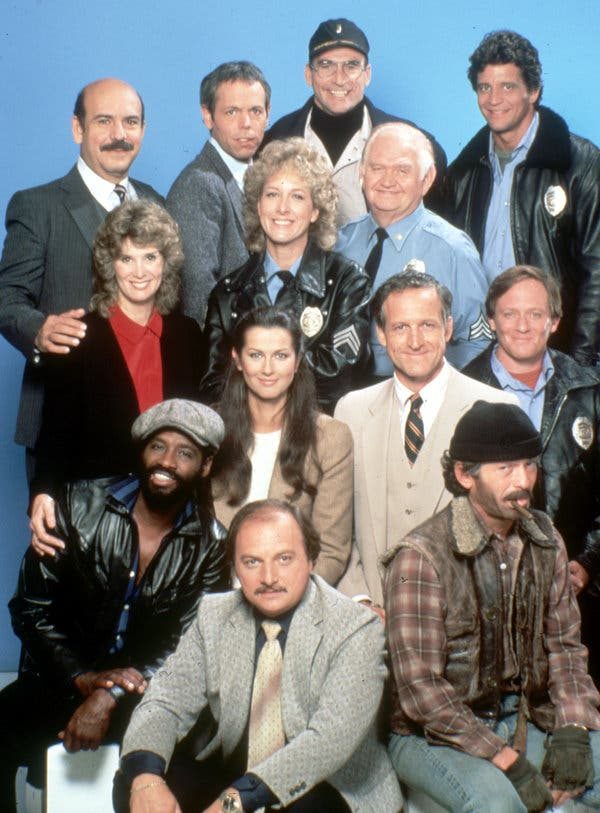
Hill Street Blues Store: 7 Surprising TV Series Secrets
For fans of classic cop dramas, the name Hill Street Blues conjures gritty patrols, witty banter, and unforgettable storylines. Yet beyond the screen, there’s an entire world of hidden gems that many viewers never notice. In this deep dive we uncover seven surprising TV series secrets that even the most dedicated fans might have missed, and we’ll explore how the Hill Street Blues Store plays a surprising role in preserving the show’s legacy.
Behind the Hill Street Blues Store: The Real Set Secrets
During production, the crew used a handful of genuine city storefronts to bring authenticity to the downtown scenes. One of those locations was the original Hill Street Blues Store, a small shop placed on a side street that served as a backdrop for countless background shots. The storefront’s awning bore the fictitious “123 Main” sign, but the original owner later turned it into a memorabilia hub, selling replicas of the show’s badges and scripts.
What most viewers never realized is that the store’s interior was never actually filmed. Instead, the production team built a replica set inside a studio, complete with period‑accurate cash registers and a chalkboard menu. This clever workaround saved time and allowed the crew to control lighting and sound without the constraints of a real shop.
Hidden Cast Connections That Shaped Storylines
Several recurring characters were played by actors who were friends off‑camera. One such friendship blossomed at the Hill Street Blues Store, where the cast often gathered after long shooting days. These informal meet‑ups sparked spontaneous improvisations that later made their way into the script, enriching the dialogue with genuine camaraderie.
Another secret involves a cameo by a then‑unknown writer who later became a celebrated showrunner. He slipped into a background role at the store, delivering a line about an “old case” that later inspired a full‑season arc. The writers loved weaving real‑life anecdotes into the narrative, making the series feel both scripted and organic.
The Real‑Life Inspiration Behind Iconic Episodes
Many of the series’ most intense moments were drawn from actual police reports. The writers visited the Hill Street Blues Store’s neighborhood to interview local officers, gathering firsthand accounts that would become the backbone of episode plots. These visits included a night‑time stroll through the alley behind the store, where they overheard a heated exchange that later turned into a memorable hostage scene.
In one instance, a routine traffic stop captured on a nearby dash cam inspired an entire episode about systemic corruption. The producers used the footage as a visual reference, ensuring the recreation was as realistic as possible. This dedication to authenticity set the series apart from its contemporaries and cemented its reputation for raw, unfiltered storytelling.
The Legacy: From Screen to Store Shelves
Today, the Hill Street Blues Store is more than just a filming location; it’s a pilgrimage site for fans worldwide. The shop now stocks limited‑edition prints, vintage police jackets, and even a replica of the iconic captain’s desk. Every item tells a story, linking the past production secrets to the present day.
Collectors often speak of the thrill of owning a piece directly tied to a behind‑the‑scenes moment, like the exact coffee mug used by the lead detective during a pivotal interrogation scene. The store’s online presence also allows fans who can’t travel to experience these artifacts digitally, extending the show’s influence well beyond its original broadcast years.
By preserving these hidden details, the Hill Street Blues Store ensures that new generations can discover the series’ depth and nuance. Whether you’re a longtime enthusiast or a curious newcomer, exploring these seven surprising secrets provides a richer appreciation for a show that continues to inspire modern storytelling.