
Last Night In Soho Shop Secrets: Inside the Film’s Set
Step onto the neon‑lit streets of 1960s London and you’ll feel the electric buzz of an era that never truly left the screen. Behind the glossy veneer of the film’s dazzling visuals lies a hidden treasure—a meticulously recreated boutique that has become a pilgrimage site for fans. This is the story of the Last Night In Soho Shop, a set that holds more secrets than the plot twists that drove the movie’s climax.
The Architecture of Nostalgia
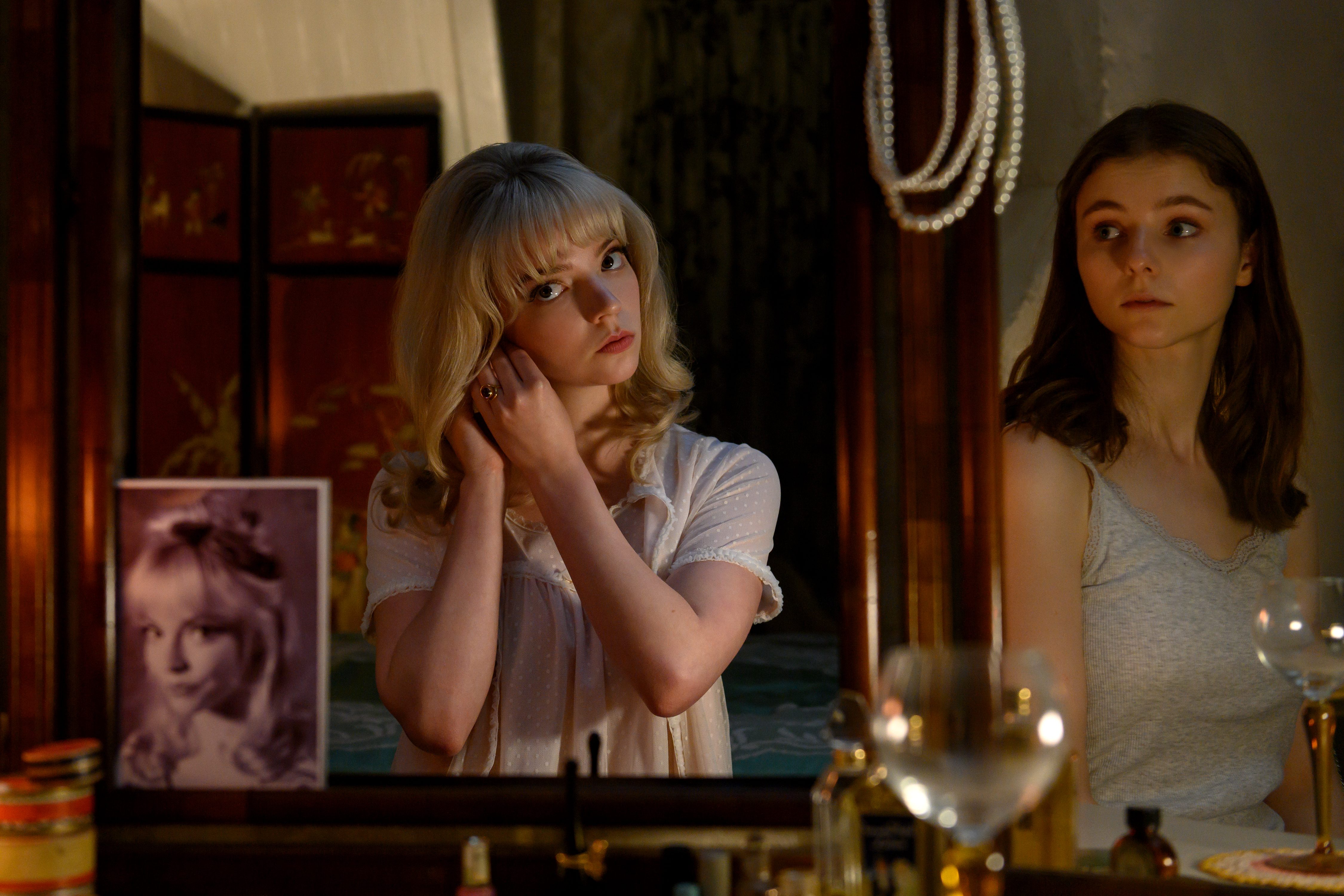
The Last Night In Soho Shop was built from the ground up on a soundstage that doubled as a period‑accurate storefront. Set designers studied old photographs, advertisements, and surviving shop fronts to capture every detail. The wooden hatchback doors, the chrome‑fitted signage, and the patterned carpet were all sourced from vintage suppliers. Even the lighting fixtures were chosen to mimic the soft amber glow of 1960s shop interiors, creating an atmosphere that feels both familiar and eerie.
Every inch of the space was measured for authenticity. The counter height matches the typical British retail standards of the time, and the display cases are stocked with period‑specific cosmetics, vinyl records, and fashion accessories. By staying true to the era’s design language, the shop becomes a character in its own right, guiding the audience through a visual narrative that supports the film’s storytelling.
Hidden Easter Eggs for Sharp Eyes
Fans love to hunt for clues, and the Last Night In Soho Shop does not disappoint. Throughout the set, designers slipped in subtle references to the film’s themes. One dusty record sleeve bears the same back‑cover artwork that appears on the protagonist’s mixtape later in the story. A vintage mirror reflects a shadow that mirrors a key scene, hinting at the overlapping timelines central to the plot.
Another clever detail is the placement of a teacup on a miniature table—a nod to the recurring motif of time and domesticity. Even the price tags on the displayed clothing are written in a typeface that matches the film’s promotional posters, creating a cohesive visual language that ties the shop to the wider world of the movie.
The Practical Challenges of Set Construction
Creating a fully functional shop on a soundstage presented logistical hurdles. The production team needed to balance aesthetic precision with the practicalities of filming. Heavy lighting rigs had to be concealed behind period‑appropriate ceiling fixtures, and the shop’s walls were designed to be removable for camera movement.
Moreover, the set had to accommodate a range of shots—from tight close‑ups of characters handling items to sweeping crane shots that reveal the bustling street outside. To achieve this, the designers built modular sections that could be quickly reconfigured, allowing the crew to capture the shop’s interior from multiple angles without breaking continuity.
Why the Shop Captivates Audiences
Beyond its visual allure, the Last Night In Soho Shop resonates because it symbolizes the film’s core tension between past and present. The shop stands as a portal, inviting characters—and viewers—into a world where memories are tangible. Its meticulously curated items act as anchors to a bygone era, making the cinematic experience feel rooted in reality.
Visitors to the set often report a lingering sense of déjà vu, as if they’re stepping into the very scenes they just watched. This emotional impact is a testament to the designers’ success in turning a simple retail space into an immersive storytelling device. Whether you’re a die‑hard fan or a casual viewer, the shop’s blend of authenticity, hidden details, and narrative purpose makes it a standout element of the film.
Conclusion: Beyond the Screen
The Last Night In Soho Shop proves that set design can be more than background—it can be an active participant in the story. By marrying historical accuracy with clever storytelling tricks, the creators have built a space that invites endless exploration. As fans continue to dissect every corner for hidden meanings, the shop remains a living archive of the film’s artistry, forever frozen in the collective imagination of its audience.