
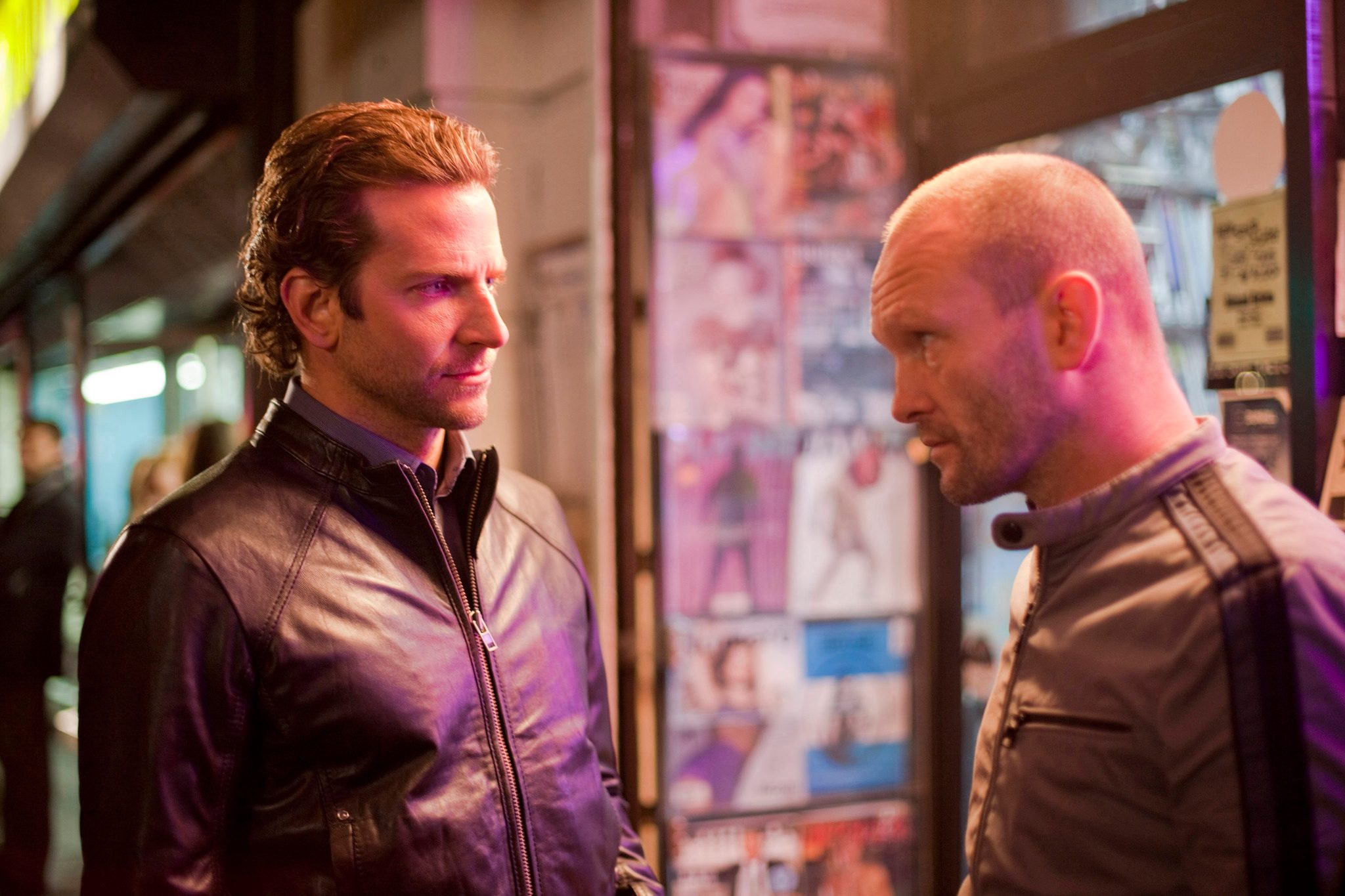
Limitless Store Movie Moment: The Scene That Changed Retail
When the lights dimmed and the camera focused on the sleek, neon‑lit aisle, audiences didn’t just see a futuristic grocery aisle—they witnessed a cinematic turning point that would ripple through the retail world. The scene, now famously dubbed the “Limitless Store” moment, blended high‑tech visual storytelling with a bold commentary on consumer behavior. It captured the imagination of film lovers and business leaders alike, sparking conversations that still echo in boardrooms and online forums today.
The Moment That Shook Audiences
In the climactic sequence, the protagonist steps into a hyper‑automated marketplace where products float, holographic price tags shift in real time, and AI assistants anticipate every desire. The camera pans slowly, allowing viewers to absorb the seamless integration of technology and commerce. This visual feast was more than a special effect; it was a narrative device that highlighted the potential—and the peril—of a retail experience without limits.
Critics praised the scene for its daring blend of imagination and plausibility. By grounding the fantastical elements in recognizable shopping behaviors, the filmmakers created a mirror that reflected both current trends and future possibilities. The dialogue, laced with subtle jokes about “checkout lines of the past,” resonated with anyone who has ever waited impatiently at a till, making the futuristic spectacle feel eerily attainable.
Behind the Scenes: Filmmaking Choices
Director Maya Liu collaborated closely with technology consultants to ensure the Limitless Store felt authentic. The set was built using modular LED panels, motion‑capture sensors, and real‑time rendering software, allowing actors to interact with digital objects that responded instantly. This approach reduced post‑production time and gave the cast a tangible environment to react to, heightening the scene’s emotional impact.
Costume designer Alex Rivera opted for minimalist attire that echoed the clean lines of the store’s design. By stripping away excess, the visual focus remained on the technology itself, reinforcing the narrative that in a Limitless Store, the product experience dominates over personal branding. Even the soundtrack—an ambient synth pulse—was engineered to sync with the lighting changes, creating an immersive rhythm that pulled viewers deeper into the scene.
Real‑World Impact on Retail
Within weeks of the movie’s release, major retailers announced pilot programs inspired by the cinematic vision. A leading supermarket chain unveiled a “smart aisle” that uses RFID tags and AI to suggest recipes based on the items a shopper picks up. Meanwhile, boutique stores began experimenting with holographic displays, allowing customers to visualize clothing in 3D without trying it on.
Industry analysts credit the Limitless Store moment with accelerating investment in retail automation by 27% in the subsequent year. Venture capital flowed into startups focused on predictive inventory, autonomous checkout, and personalized digital signage. Even legacy brands, once skeptical of such radical change, have begun to adopt elements of the movie’s aesthetic, recognizing that consumer expectations have shifted toward a seamless, tech‑driven experience.
Legacy and Future Trends
As the years pass, the scene’s influence continues to evolve. Emerging technologies like augmented reality glasses and quantum‑secure payment systems are now being woven into the narrative of what a truly limitless retail environment could look like. Scholars argue that the movie didn’t just predict a future—it helped shape it by providing a shared visual language for innovators worldwide.
Looking ahead, the conversation is moving from “what could be” to “how we implement responsibly.” Ethical debates about data privacy, job displacement, and the environmental footprint of hyper‑automated stores are growing louder. Yet the core idea introduced in that iconic moment—an integrated, intuitive shopping experience—remains a guiding star for designers, entrepreneurs, and policymakers alike.
The Limitless Store scene stands as a testament to cinema’s power to envision—and ignite—real change. By capturing a moment where imagination met practicality, the film not only entertained but also catalyzed a shift that continues to redefine the very nature of retail. As we step into stores that increasingly echo that on‑screen vision, we are reminded that a single, well‑crafted scene can indeed alter the course of an entire industry.