
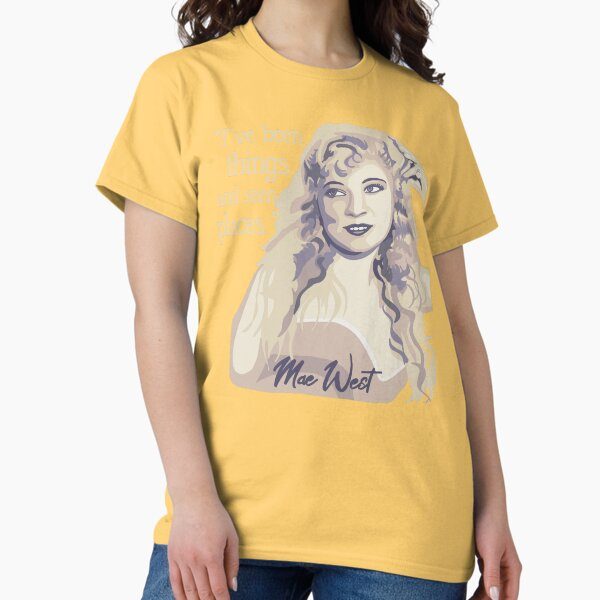
Mae West Store: The Actress Who Redefined Hollywood
Mae West captured the world’s imagination with a mix of daring wit, smoky allure, and unapologetic confidence. From the bright lights of Broadway to the silver screens of Hollywood, she turned every line into a legend. Audiences fell under her spell, and entrepreneurs soon realized her star power could be bottled into a brand. Today, the Mae West Store stands as a tribute to that fearless spirit, offering fans a tangible piece of her flamboyant legacy while celebrating the timeless charisma that redefined an era.
From Vaudeville to Veneration: The Early Years
Born in 1890, Mae West began her career in modest vaudeville houses, polishing her comedic timing and sharp tongue. She embraced the stage like a second home, learning to read crowds and deliver punchy one‑liners that left audiences roaring. By the 1920s, she had migrated to New York’s bustling theater district, where her bold scripts began to attract both acclaim and controversy.
Her breakthrough came with the play “Sex,” a provocative work that challenged censorship and highlighted her ability to turn scandal into art. When the play was shut down, the public’s curiosity only grew, cementing her status as a cultural provocateur. This daring reputation paved the way for her eventual move to Hollywood, where Hollywood would never be the same.
Defining a New Hollywood Persona
Mae West entered the film industry with a clear mission: to shatter the demure archetype of the early 20th‑century actress. Her 1933 film “She Done Him Wrong” introduced a character that was brazen, sensual, and fiercely independent. Audiences were captivated by her quick repartee and unapologetic sexuality, elements that had rarely been seen on screen.
She embraced double entendre and innuendo, allowing her to bypass the strict Production Code while still delivering a tantalizing experience. By owning her narrative, West opened the door for future generations of women to claim sexual agency and comedic authority in cinema. Her influence rippled through the golden age of Hollywood, inspiring icons like Marilyn Monroe and later, modern performers who celebrate empowerment through humor.
Legacy That Echoes Through Pop Culture
Beyond the silver screen, Mae West’s catchphrases—“Come up and see me sometime” and “When you’re good at something, never do it for free”—have morphed into cultural shorthand for confidence and swagger. Musicians, fashion designers, and even internet memes reference her timeless lines, proving her relevance endures beyond a single generation.
Academics note that West’s nuanced approach to sexuality helped soften the moral rigidity of early Hollywood, allowing filmmakers to explore more complex adult themes. Her impact can be seen in contemporary cinema’s bold approach to gender politics, as directors continue to channel her fearless voice when pushing boundaries.
The Mae West Store: A Modern Homage
The Mae West Store captures the essence of the actress’s larger‑than‑life personality through curated merchandise that blends vintage glamour with modern style. From elegant satin dresses reminiscent of her iconic film wardrobe to witty novelty items that echo her famous one‑liners, each product celebrates her timeless allure.
Beyond apparel, the store offers collectibles such as limited‑edition posters, vintage‑inspired perfume, and even a coffee blend named “West’s Brew,” designed to energize fans with a flavor as bold as her on‑screen presence. By integrating storytelling into every item, the Mae West Store doesn’t just sell goods; it invites customers to step into the confident world that Mae West created, making her legacy a living, breathing experience for today’s audiences.
Mae West’s influence persists, not only in film history but also in the everyday choices of those who admire her daring spirit. Whether watching her classic movies, quoting her timeless lines, or browsing the Mae West Store for a piece of her flamboyant charm, fans continue to celebrate a woman who rewrote the rules of Hollywood and left an indelible mark on popular culture.