
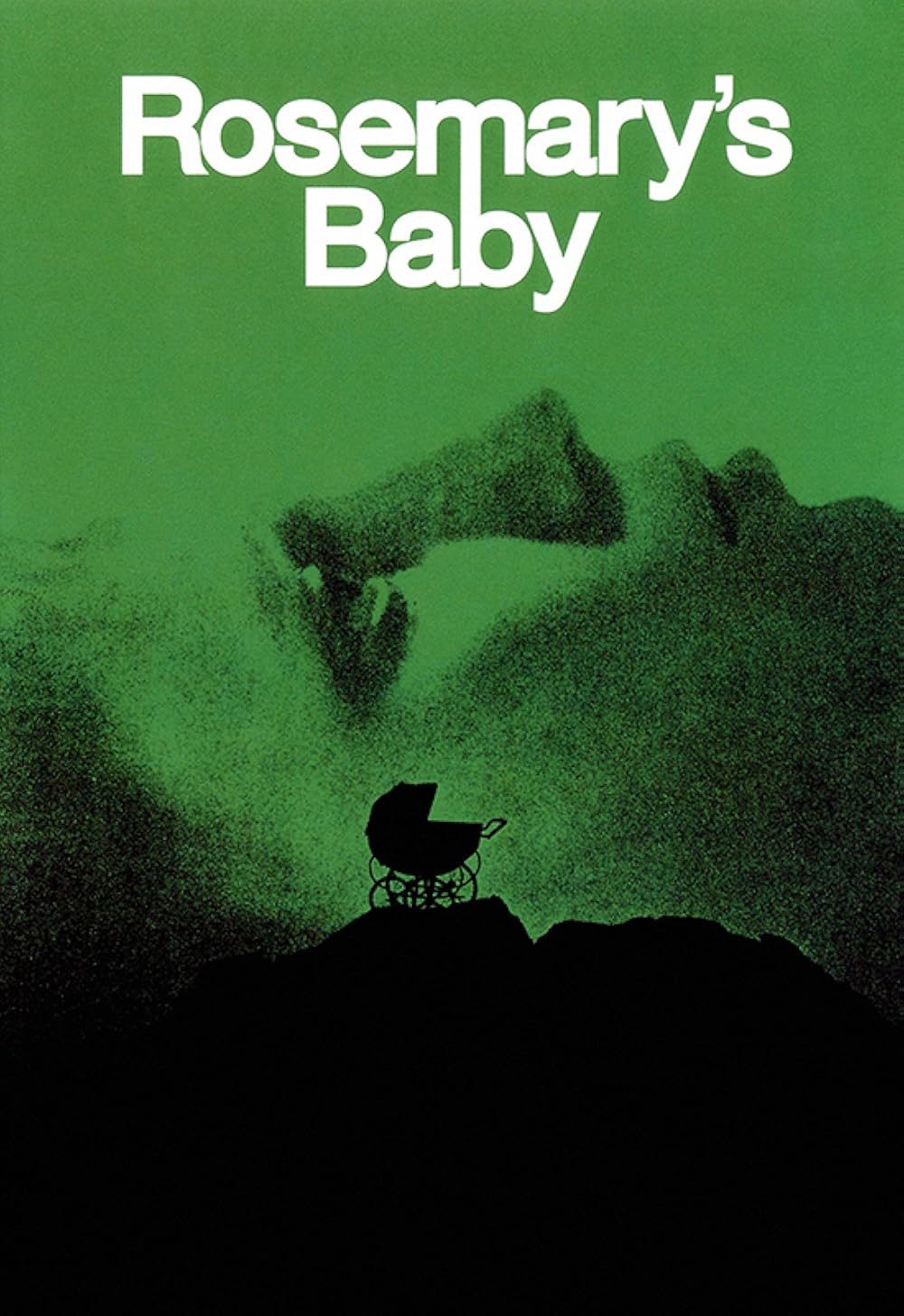
Rosemary's Baby Store: The Film That Redefined Horror Lore
When Roman Polanski’s 1968 masterpiece first hit theaters, few could have predicted how it would forever alter the language of horror. Beyond the chilling tale of a pregnant woman haunted by a sinister coven, the film introduced an unexpected icon: a modest shop that would become a cultural touchstone. This seemingly ordinary storefront, later dubbed the Rosemary’s Baby Store, offers more than a backdrop—it is a conduit for dread, symbolism, and the enduring power of fear.
The Cultural Impact of Rosemary's Baby Store
The moment the camera lingered on the shop’s window, audiences sensed an uncanny presence. Its muted signage and dim lighting hinted at secrets lurking just beyond sight. Critics soon recognized that the store functioned as an extension of the film’s psychological terror, turning a public space into a private nightmare. By embedding horror within a familiar setting, the movie made fear feel both intimate and ubiquitous, resonating with viewers long after the credits rolled.
Fans began referencing the shop in discussions of cinema history, noting how it turned a simple location into a character of its own. This shift sparked a new trend where filmmakers place pivotal scenes in everyday venues, trusting that the ordinary can amplify the extraordinary. The Rosemary’s Baby Store thus helped shape modern horror’s visual language, influencing everything from television thrillers to indie flicks.
Rosemary's Baby Store and Its Symbolic Power
Within the narrative, the store operates as a visual metaphor for control and manipulation. Its aisles are stocked with mundane goods, yet each item seems to whisper a darker promise. The protagonist’s hesitant steps through the doorway mirror her gradual surrender to unseen forces. It is a place where commerce meets the occult, blurring the line between harmless consumerism and malevolent intent.
By framing the sinister plot inside a commercial venue, Polanski underscores how evil can masquerade as everyday normalcy. The store’s signage—plain, unassuming—contrasts sharply with the sinister rituals that unfold behind its doors. This juxtaposition deepens the audience's unease, reinforcing the notion that terror can thrive under the veneer of the ordinary.
How It Redefined Horror Lore
Prior to this film, horror relied heavily on Gothic castles, isolated mansions, or remote forests. The introduction of a city shop as a focal point of dread reshaped genre expectations. It demonstrated that fear need not be confined to remote locations; it can fester right on a bustling street corner. This revelation broadened the scope for storytellers, encouraging them to explore terror in urban environments.
The store also contributed to the film’s mythos by providing a tangible anchor for the audience’s imagination. Fans could visit the actual storefront years later, turning a cinematic set into a pilgrimage site. Such real‑world connections deepen the lore, allowing the narrative to extend beyond the screen and into everyday conversation.
Legacy and Modern Influence
Today, the Rosemary’s Baby Store remains a reference point for creators seeking to embed horror in plain sight. Television series like “American Horror Story” and movies such as “The Witch” echo its technique, blending homely settings with supernatural dread. Even merchandising—posters, apparel, and replica shop signs—continues to celebrate its iconic status.
Moreover, the concept has inspired interactive experiences, including escape rooms that replicate the store’s claustrophobic atmosphere. Visitors must decipher hidden clues among everyday items, echoing the film’s theme that the ordinary can conceal the extraordinary. This ongoing influence highlights how a single location can transcend its original context to become a cultural archetype.
In summary, the Rosemary’s Baby Store isn’t just a memorable set piece; it is a pivotal element that redefined horror storytelling. By turning a simple shop into a vessel for fear, the film taught us that terror can be found wherever we look—on a quiet street, behind a closed sign, or within the mundane items we take for granted. Its legacy endures, reminding creators and audiences alike that the most unsettling horrors often arise from the most familiar places.