
The Crow Store: How This Dark Film Still Shocks Viewers
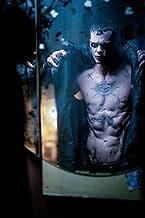
When the original theatrical poster for The Crow Store flickered onto the screen, it promised a visual journey unlike any other. Dark, brooding, and unapologetically bold, the film grips viewers from the opening frame and refuses to let go. Its unsettling blend of gothic imagery and relentless tension still sends chills down spines, even decades after its debut. If you’ve never experienced its shock factor, be prepared: this isn’t just a horror movie—it’s an atmospheric masterpiece that continues to haunt audiences, provoking fresh conversations about fear, art, and the limits of storytelling.
The Crow Store: Dark Visuals That Still Frighten
The film’s aesthetic is its most immediate weapon. Shot in grainy, high-contrast black‑and‑white, every scene feels like a photograph taken from a nightmare. The cinematographer’s use of deep shadows and stark lighting creates a world where nothing is safe, and even the slightest movement can trigger dread. This visual approach, combined with unsettling set pieces—such as the abandoned warehouse lit only by the flicker of broken neon—forces viewers to constantly question what they’re seeing.
Beyond the cinematography, the practical effects deserve special mention. Instead of relying on CGI, the filmmakers employed makeup, prosthetics, and inventive camera tricks to conjure grotesque creatures and blood‑splattering gore. The tactile realism of these effects amplifies the shock value, making every scare feel immediate and visceral. It’s a reminder that when done right, practical horror can still outshine digital shortcuts.
Psychological Horror: Themes That Grip the Mind
What truly sets The Crow Store apart is its focus on psychological dread rather than cheap jump scares. The narrative follows a lone protagonist haunted by a mysterious entity that feeds on guilt and regret. As the story unfolds, the audience is forced to confront uncomfortable truths about loss, betrayal, and the darkness that lurks within.
The film’s use of ambiguous symbolism—such as the recurring crow motif representing both death and inevitable fate—adds layers of meaning that reward repeated viewings. Viewers find themselves dissecting each scene for hidden clues, creating a lingering sense of unease that persists long after the credits roll.
Cult Impact: How the Film Built a Lasting Following
When The Crow Store first premiered, critics were divided, but a passionate fanbase quickly formed around its daring vision. Midnight screenings turned into ritualistic gatherings where fans exchanged theories and created homemade masks inspired by the film’s iconic antagonists. This community-driven enthusiasm helped cement the movie’s status as a cult classic.
Over the years, the film has inspired countless homages in music videos, fashion, and even graphic novels. Its aesthetic has become a shorthand for “deeply atmospheric horror,” proving that a single work can influence an entire subculture. The continued relevance of these references showcases how the film’s shock factor transcends generations.
Modern Relevance: Why New Audiences Still React
In an era dominated by high‑definition CGI, The Crow Store’s analog charm feels refreshing and, paradoxically, more terrifying. Younger viewers, raised on polished digital horror, find the raw, unfiltered terror of the film both novel and unsettling. This contrast sharpens the impact of each scene, reminding audiences that fear is often rooted in the unknown rather than the spectacular.
Social media platforms have also breathed new life into the movie. Clips of its most intense moments go viral, accompanied by reaction videos that capture genuine, unedited gasps and screams. These modern touchpoints introduce the film to a broader audience, proving that its shock value remains potent, even in the digital age.
Conclusion: The Enduring Shock of The Crow Store
Decades after its release, The Crow Store continues to shock viewers with its distinctive blend of visual dread, psychological depth, and cultural influence. Its unapologetic darkness challenges conventions and invites audiences to explore their own fears. Whether you’re a seasoned horror aficionado or a newcomer seeking a truly unsettling experience, this film offers a timeless reminder: true terror lies not just in what we see, but in what we feel.