
The Lighthouse Store Movie: 7 Secrets Behind Its Eerie Glow
The atmospheric mystery of The Lighthouse Store has lingered long after the credits rolled, captivating audiences with its unsettling glow and cryptic symbolism. From the moment the first flickering light appears on screen, viewers are drawn into a world where every shadow seems to whisper a secret, and the seemingly benign storefront becomes a conduit for dread. In this blog we’ll peel back the layers of the film, revealing seven hidden details that contribute to its eerie allure and explain why the movie continues to haunt fans.
The Unseen Set Design
Behind the haunting façade of The Lighthouse Store lies a meticulously crafted set that blends reality with the surreal. Production designers used reclaimed wood and weathered glass to give the interior a timeless, decayed feel, while subtle architectural quirks—such as mismatched floorboards and an inexplicably narrow hallway—create a sense of disorientation. These details are not merely decorative; they are designed to make viewers feel off‑balance, mirroring the protagonist’s own spiraling sanity.
Additionally, the set incorporates hidden compartments and false walls that only become visible under certain lighting conditions. When the camera pans across these concealed spaces, fleeting glimpses of strange objects—like a rusted compass or a single candle—add to the film’s layered mythology, hinting at a deeper narrative beyond the store’s immediate story.
Lighting Techniques That Create the Glow
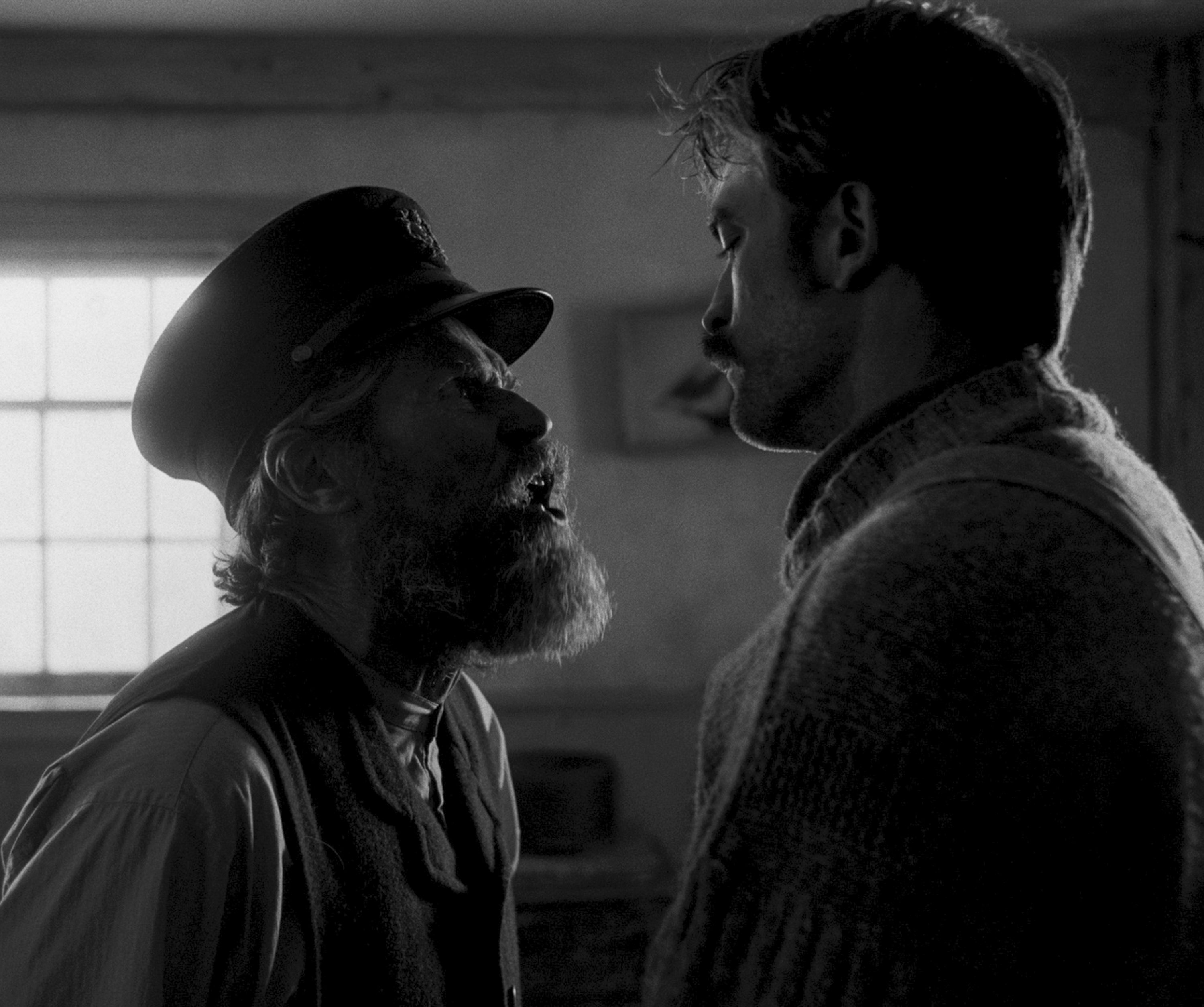
One of the most striking aspects of The Lighthouse Store is its signature, otherworldly glow. Cinematographers achieved this effect by combining practical lights—such as antique lanterns and dimmed bulbs—with digital post‑production filters that amplify bluish‑green tones. The result is a soft, almost phosphorescent illumination that bathes the scene in an unsettling calm.
Crucially, the lighting is not static; it subtly shifts as characters move, creating a dynamic interplay of light and shadow that suggests an unseen presence is guiding the mood. By using low‑key lighting in conjunction with occasional bursts of harsh, white light, the film keeps audiences on edge, never quite allowing the tension to fully resolve.
Symbolic Use of Color and Shadows
Color symbolism permeates every frame of The Lighthouse Store, with a limited palette that reinforces the narrative’s mood. Deep indigos dominate the night scenes, evoking feelings of isolation, while muted amber tones appear during moments of false reassurance, only to be swallowed by darkness moments later. This deliberate contrast underscores the protagonist’s fragile grasp on reality.
Shadows play an equally important role. Directors placed objects just out of focus, allowing their silhouettes to elongate and merge with the surrounding darkness. These elongated shadows often resemble familiar shapes—such as hands reaching out or faces peering from the void—feeding the audience’s subconscious dread and hinting at hidden threats lurking beyond the visible.
Hidden Audio Cues and Their Impact
While the visual elements of The Lighthouse Store dominate the conversation, its sound design is equally masterful. The film’s soundscape incorporates low‑frequency hums that resonate at just below the threshold of conscious hearing, creating a subconscious feeling of unease. Layered beneath the ambient ocean waves are faint, irregular ticking sounds that mimic a clock—symbolizing the relentless passage of time within the store’s confines.
Occasionally, the dialogue is accompanied by an almost imperceptible whisper that mirrors the protagonist’s inner thoughts. This subtle audio cue reinforces the narrative’s psychological tension, making viewers question whether the eerie occurrences are external phenomena or manifestations of the character’s deteriorating mind.
Legacy and Fan Theories
Since its release, The Lighthouse Store has sparked countless discussions across forums and fan communities, each proposing their own interpretation of the film’s cryptic ending. Some argue that the store is a metaphor for memory— a place where past experiences are stored and gradually decay. Others suggest a more supernatural explanation, positing that the lighthouse serves as a beacon for lost souls seeking redemption.
Regardless of the theory you favor, the film’s ability to inspire such deep analysis hinges on the seven secrets uncovered above. By weaving together meticulous set design, inventive lighting, symbolic color palettes, and layered audio cues, the creators crafted an experience that continues to glow in the cultural imagination—an eerie, unforgettable beacon that draws viewers back time and again.