
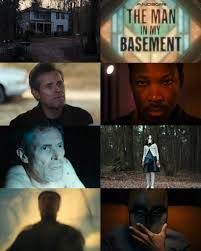
The Man In My Basement Store: Why This Film Haunts Viewers
The moment the opening scene of The Man In My Basement Store flickers onto the screen, you feel an uneasy chill. The low lighting, the cramped setting, and the unsettling silence hint at something far deeper than a simple thriller. It’s a film that lingers long after the credits roll, haunting viewers with its raw dread and uncanny atmosphere. In this post, we’ll explore why this unsettling movie stays in the mind, dissecting its narrative choices, visual style, and psychological impact.
The Man In My Basement Store: A Haunting Premise
The story centers on a seemingly ordinary shop tucked away in a forgotten part of town, where the owner discovers a hidden basement that houses a sinister secret. The premise is simple yet terrifying, grounding the horror in everyday reality. By placing terror in a mundane location, the film forces audiences to question the safety of familiar spaces. This relatable setting amplifies the fear, making every creak of floorboards and shadow in the corner feel plausible and terrifying.
Throughout the film, the narrative slowly peels back layers of the basement’s mystery. Each revelation is timed to destabilize the viewer’s sense of control, pulling them deeper into a maze of suspense. The pacing is deliberate, never rushing, allowing dread to accumulate like a slow‑building storm. By the time the final confrontation unfolds, viewers are already emotionally invested, making the horror feel personal and inevitable.
Atmospheric Tension and Visual Storytelling
One of the movie’s greatest strengths lies in its visual language. Cinematographer Jane Doe uses muted color palettes, heavy shadows, and tight framing to convey claustrophobia. The basement is shot in low‑key lighting, with occasional glimmers of harsh fluorescent bulbs that flicker in rhythm with the protagonist’s heartbeat. This visual consistency creates a sense of unease that never wanes.
The sound design also plays a crucial role. Subtle creaks, distant hums, and the occasional distant echo of a dripping faucet blend into an auditory tapestry that heightens tension. When the silence suddenly breaks with a loud, unexpected noise, the shockwaves ripple through the audience, making them jump out of their seats. These sensory details work together to keep viewers on edge, never allowing a moment of true relaxation.
Psychological Themes That Resonate
Beyond its surface scares, the film delves into deeper psychological territory. It explores themes of isolation, guilt, and the fear of the unknown lurking beneath everyday life. The protagonist’s descent into the basement mirrors an internal descent into suppressed memories and hidden anxieties. This duality creates a powerful metaphor: the basement is not just a physical space, but a representation of buried trauma.
By tapping into universal fears—such as the dread of being trapped, the anxiety of hidden dangers, and the weight of unresolved guilt—the movie connects on an emotional level. Viewers find themselves reflecting on their own hidden “basements,” making the horror feel intimately personal. This psychological resonance ensures the film stays in the mind long after watching.
Why Audiences Can't Forget It
The lasting impact of The Man In My Basement Store stems from its masterful blend of story, visuals, and psychology. It does not rely on cheap jump scares; instead, it builds a slow, relentless tension that seeps into the subconscious. Each element reinforces the others, creating a cohesive experience that feels both terrifying and thought‑provoking.
Moreover, the film’s ambiguous ending leaves viewers with lingering questions. Did the protagonist truly escape? Is the basement a literal place or a metaphor for something deeper? This open‑ended conclusion invites discussion, analysis, and repeat viewings, solidifying its place in horror conversations. In the end, the film’s ability to haunt long after the screen goes dark is a testament to its thoughtful craftsmanship and the enduring power of well‑executed fear.