
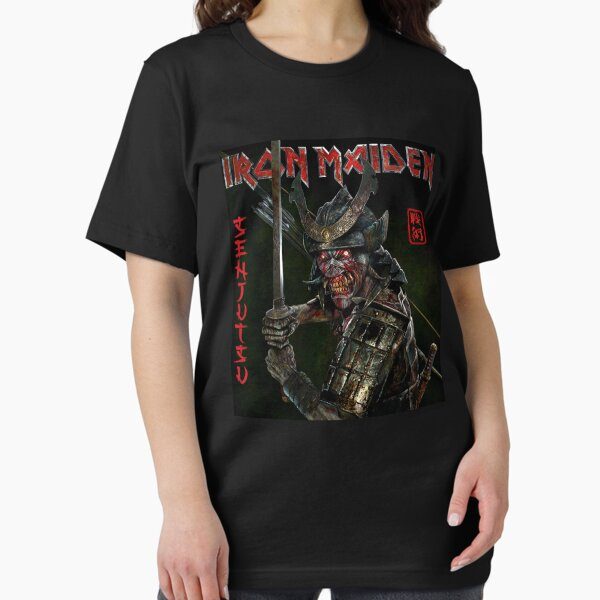
Too Much Merch on TV Series: When Fan Gear Steals the Show
Fans love to wear their favorite shows on their sleeves, but when the screen turns into a runway for endless product plugs, something magical can disappear. The excitement that once surrounded a dramatic reveal or a witty line gets drowned out by a barrage of logos, jackets, and mugs. This phenomenon, often labeled Too Much Merch, is reshaping how we experience television. In this post we’ll explore why the surge of fan gear is both a lucrative cash‑cow and a creative hazard, and how creators can find a healthier balance.
Too Much Merch: The Rise of Fan Gear as a Revenue Engine
Over the past decade, studios have turned merchandise into a core part of their business model. From limited‑edition t‑shirts to collectible figurines, the market has exploded. The appeal is clear: fans get a tangible connection to the worlds they love, while networks secure a steady stream of income beyond ad slots.
Social media amplifies this trend. A single Instagram post featuring a character’s hoodie can generate millions of impressions, prompting viewers to click “buy now.” The algorithm rewards visual cues, so producers deliberately dress characters in eye‑catching apparel, knowing it will spark a wave of user‑generated content.
However, the line between strategic product placement and intrusive branding is getting thinner. When every episode feels like a catalog, the audience starts to question whether the story or the merch is the real star.
When Merchandise Overshadows Storytelling
A compelling narrative thrives on subtlety and surprise. Insert too many branded items, and the suspension of disbelief crumbles. Viewers may pause a tense scene to note the latest jacket design, breaking the emotional flow.
Writers often feel pressured to weave merch into the script. A casual mention of a drink can turn into a blatant advertisement, and a character’s signature look becomes an endless merchandising opportunity. This can dilute character development, reducing complex personalities to walking billboards.
In series where the setting itself is a key character—think dystopian cities or enchanted kingdoms—the over‑decoration with real‑world products can feel jarring. The audience’s immersion is sacrificed for a quick profit, leaving the story feeling shallow.
Audience Fatigue and Brand Burnout
Fans are sharp observers. When they notice that a show’s primary focus shifts toward selling accessories, they can become disengaged. The term “brand fatigue” describes this exact reaction: viewers start to tune out, feeling that their favorite series is no longer about entertainment but about merchandise.
Social media sentiment often reflects this fatigue. Threads criticizing the constant stream of merch can go viral, creating negative buzz that outweighs any short‑term sales spikes. Loyal viewers may even abandon a series, fearing that their emotional investment will be exploited.
For creators, understanding this balance is crucial. A show that respects its audience’s intelligence will integrate merch organically, allowing fans to choose whether to buy without feeling coerced.
Finding a Healthy Balance: Creativity Meets Commerce
The ideal scenario places merchandise as a natural extension of the story, not a forced intrusion. Subtle cues—like a meaningful prop that fans can later purchase—enhance the narrative while offering revenue opportunities.
Collaborations with designers who understand the show’s aesthetic can produce limited‑edition items that feel special rather than generic. When fans recognize that a piece of merch was thoughtfully crafted, the purchase feels like a celebration of the series, not a transaction imposed upon them.
Ultimately, the goal is to let the series shine first. When the story captivates, merch sales follow organically. By listening to audience feedback and curating quality over quantity, producers can prevent Too Much Merch from stealing the spotlight, ensuring that the show remains the heart of the experience.
In the end, fan gear should complement, not dominate, the television experience. By respecting the narrative and the viewer, creators can turn merchandise into a celebration of love for the series rather than a distraction. The balance is delicate, but when struck correctly, both the show and its merch can thrive together.